By Eric Whitfield and Amanda Feerson
You may be new to using herbs, spices and food for their medicinal value, yet they are a fundamental component for good personal health. They are not to be overlooked. The #1 antidiabetic drug used to treat diabetes—metformin— actually has it’s origin from a biguanide compound isolated from French lilac. And it is these same naturally-potent sources which lay at the heart of my simple 60- second protocol to reverse diabetes. But more about that later… first, let’s look at 11 herbs and spices that can help reduce your blood sugar levels naturally.
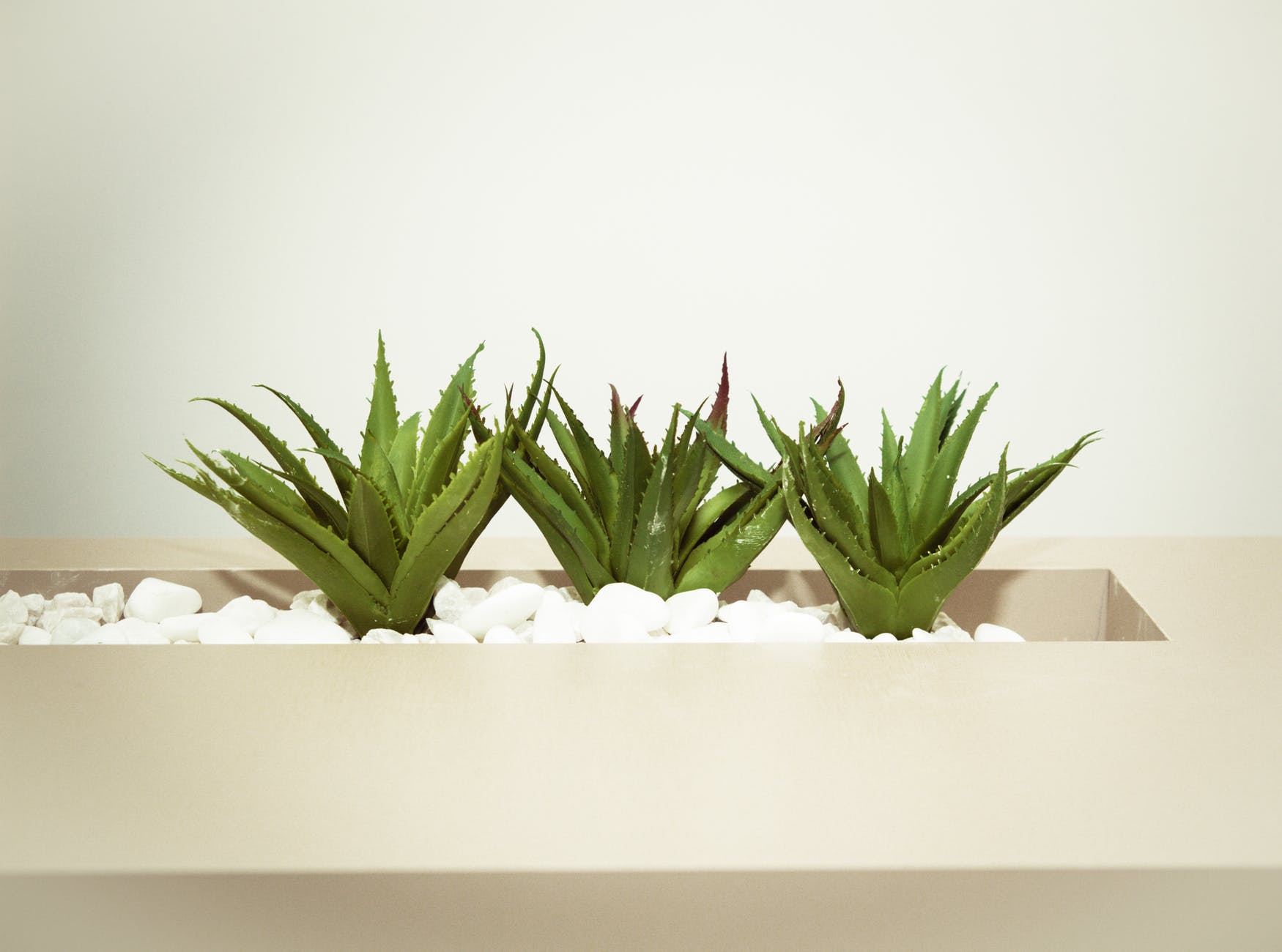
Aloe Vera
This prickly succulent, filled with a thick, slimy gel has been utilized throughout history for it’s cooling, healing and soothing properties. These amazing properties are the result of aloe’s active compounds: anthraquinones, lectins, and mannans. The gel is incorporated into a number of personal care, health and beauty products because of it’s strong anti-inflammatory properties. It can be used both externally and internally, and when used internally—in the form of juice—has a direct impact on blood glucose levels. Studies have shown that aloe vera extract can regulate fasting blood glucose levels in prediabetics within 4 weeks, and reverse lipid profile levels within just 8 weeks. It is the anti-inflammatory, antioxidant nature of aloe that targets diabetically-weakened areas of the body, for example, pancreatic beta cell damage caused by oxidative stress. The antioxidant potential of aloe is responsible for a lot of it’s positive effects. Some additional benefits of aloe: it encourages faster healing, decreases blood lipids and reduces the swelling and inflammation of skin ulcers and wounds.
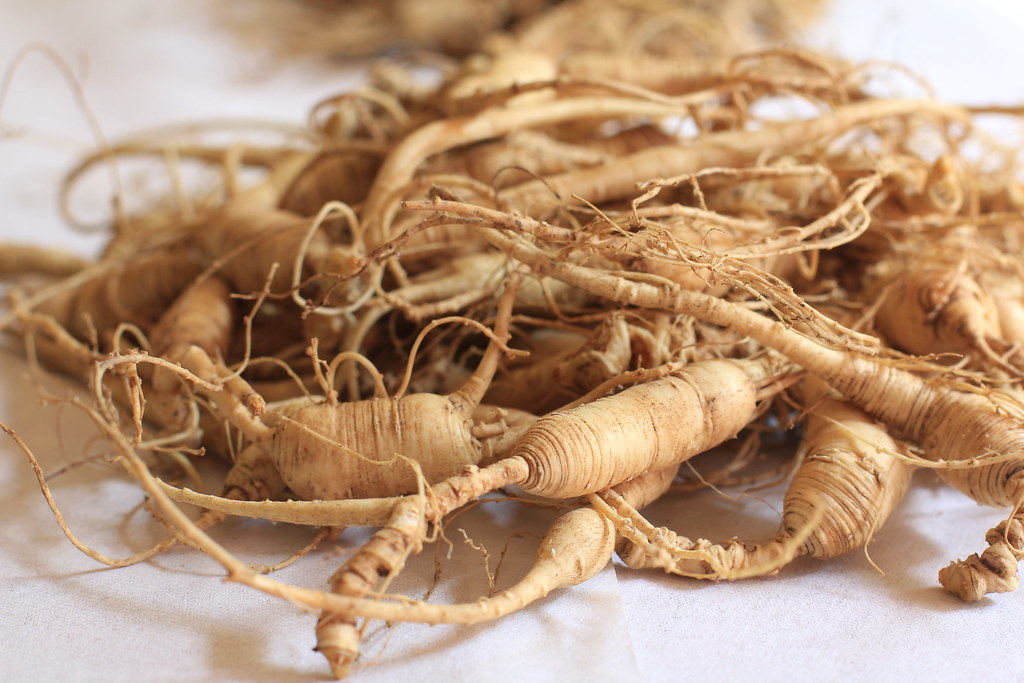
Red Ginseng
Ginseng root has long been used in Chinese medicine to address a range of ailments. The root is traditionally used as a tonic to improve energy, stamina, mental performance and improve immunity, however it can also be used for diabetes. There are two main species of ginseng—American ginseng and Asian or Korean ginseng—though the kind which is diabetes-specific is Korean red ginseng. This kind of ginseng has been proven to provide glycemic control, improve pancreatic cell function and enhance the uptake of blood sugar from tissues. When used in animal studies it has significantly decreased blood glucose levels, blood glucagon levels, and increased blood insulin levels. When performing similar studies on humans it was found that even in non-diabetics, ginseng impacted blood sugar levels. The inherent benefits of red ginseng can be further enhanced if it is fermented, since the live bacteria which result from the fermenting process helps optimize the absorption of ginsenosides within the ginseng. Beyond blood sugar control, red ginseng has also been found to provide antioxidant protection, an important element when dealing with diabetes. All these things combined make this herb a powerful diabetic, anti-hyperglycemically.
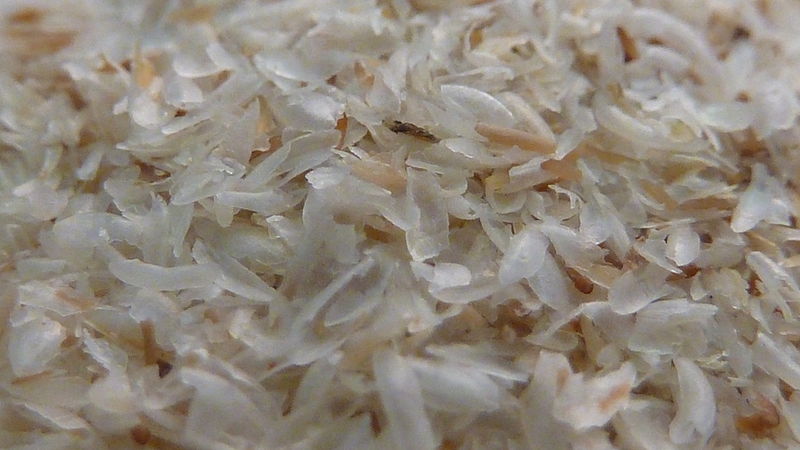
Psyllium
Psyllium comes from seed husks of the plantago ovata plant. It is most commonly known for it’s laxative effects, and because of this, is featured in many fiber supplements to treat constipation, diarrhea or other intestinal ailments such as irritable bowel syndrome. Psyllium helps lower blood cholesterol, as well as blood sugar levels, resulting in less need for insulin. For those wanting to treat type 2 diabetes, psyllium is key. The high-fiber, soluble nature of psyllium helps control blood sugar; it doesn’t raise blood glucose levels—ensuring it doesn’t spike unnecessarily—and slows the absorption of sugar. The husks transform to a gel when mixed with water. When ingested, this gel quality plays a pivotal role in how food is assimilated in the body; the psyllium slows down and delays food digestion, reducing the absorption of sugars—and consequently—minimizing blood sugar peaks. In fact, in 2000, a study performed by K von Bergmann showed a high intake of dietary fiber “improved glycemic control, decreased hyperinsulinemia and lowered plasma lipid concentrations in patients with type 2 diabetes.” In fact, information published in the Oxford University Press confirmed that psyllium is a great addition to any health program because of it’s glycemic benefits and glucose-reducing action.
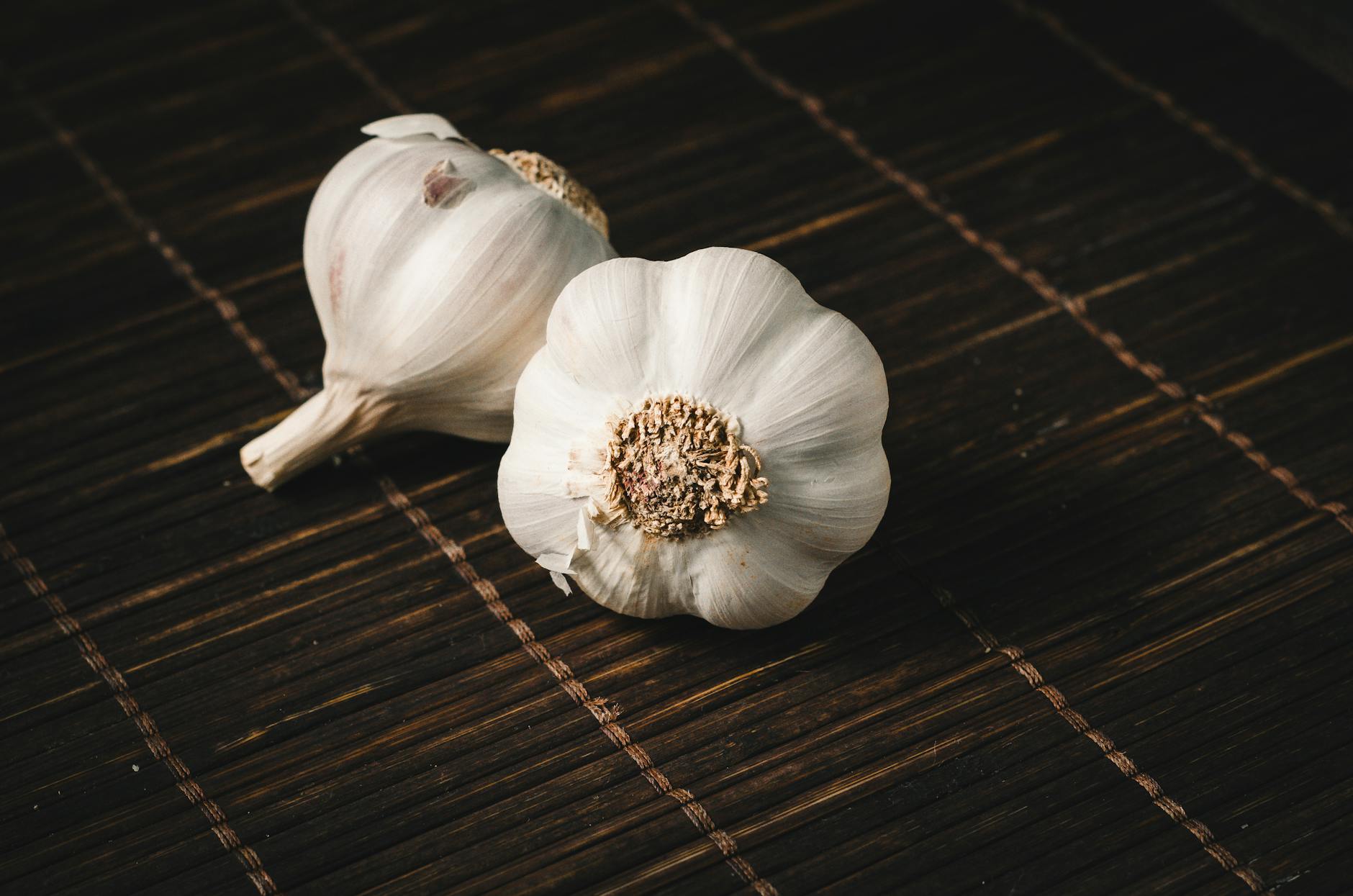
Photo by Isabella Mendes on Pexels.com
Garlic
Containing more than 400 powerful chemical components—such as disulfide, allicin, and S-ally Systerine—garlic is highly regarded for it’s ability to address a number of physical ailments and issues (it can protect the heart, is antimicrobial and even protects against cancer.) Components such as the ones mentioned above are responsible for lowering blood sugar and helping diabetes. Allicin in particular—a sulfurcontaining compound—has been noted for it’s powerful hypoglycemic effect. These compounds increase the insulin released from beta cells in the pancreas as well as increasing hepatic metabolism. Garlic in any form is potent—raw, aged or cooked. It regulates blood glucose, aids blood flow, and increases insulin by supporting the liver. There have even been studies which pit garlic tablets against metformin (using placebo tablets as a control group.) The result of these studies have been impressive; whereas there was no change in the placebo groups’s readings, garlic tablets positively effected fasting blood glucose and were pronounced “comparable to metformin.”
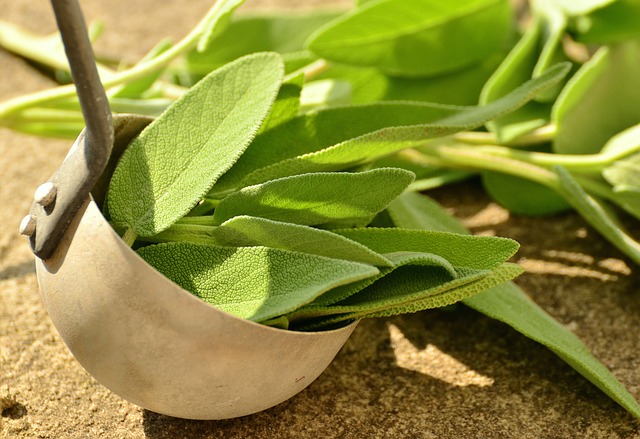
Sage
Belonging to the same “family” as lavender, thyme, rosemary and mint, and used frequently in Mediterranean cooking, sage contains a number of antioxidant and anti-inflammatory compounds. Sage has been noted for it’s metformin-like effects and is a known antidiabetic plant. It can be drunk as a tea (an infusion) or used in the form of essential oil. It is useful in the treatment of diabetes if taken supplementally. There have been a number of studies performed which confirm these findings; in 2010 a study by KB Christensen found that sage tea infusions can be as effective as metformin in type II diabetes, increasing the action of insulin and lowering the production of liver glucose. Sage tea can also improve the lipid profile as well as increasing antioxidant defenses. When used in an animal study, sage decreased serum glucose in type I diabetic rats and an aqueous extract of the herb was discovered to have an insulin-like effect in the body. Essential oil of sage has also been used for it’s antidiabetic effects.
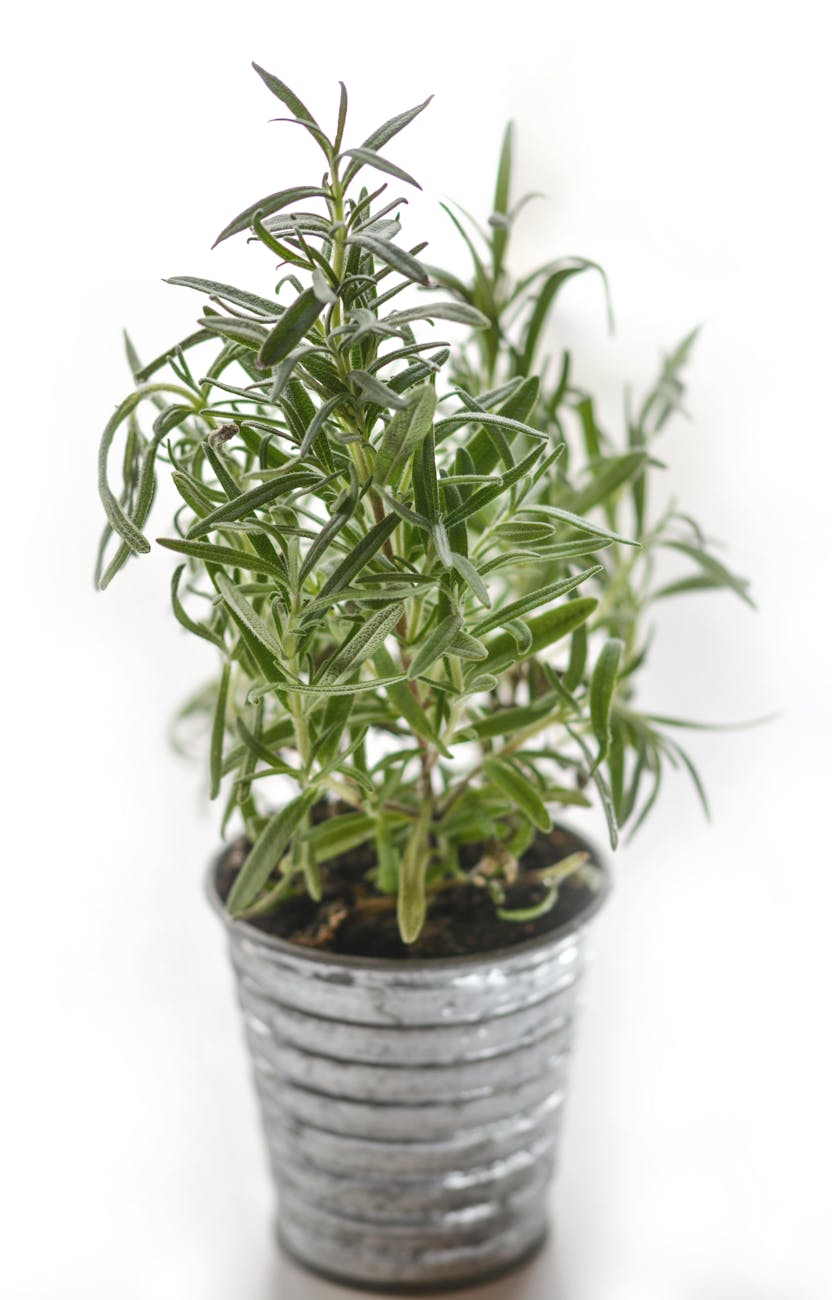
Photo by monicore on Pexels.com
Rosemary
You may typically use this herb to flavor your meals, maybe spice up a chicken dish, but rosemary also has therapeutic value, both as a protective and treatment measure for diabetes. It is high in antioxidants such as rosmarinic acid, gallic acid and eugenol. It is considered medicinally potent in both it’s fresh and dried forms, although fresh is thought to be the better of the two options. The impact of rosemary is two-fold: it stabilizes blood sugar levels and promotes weight loss. In fact, the plant is known to be anti-hyperlipidemic and anti-hyperglycemic. Both of these offer major benefits for those with diabetes. When taken consistently in therapeutic doses, this herb has been found to regulate and lower blood sugar levels, cholesterol, and triglyceride levels. Win, win, win.
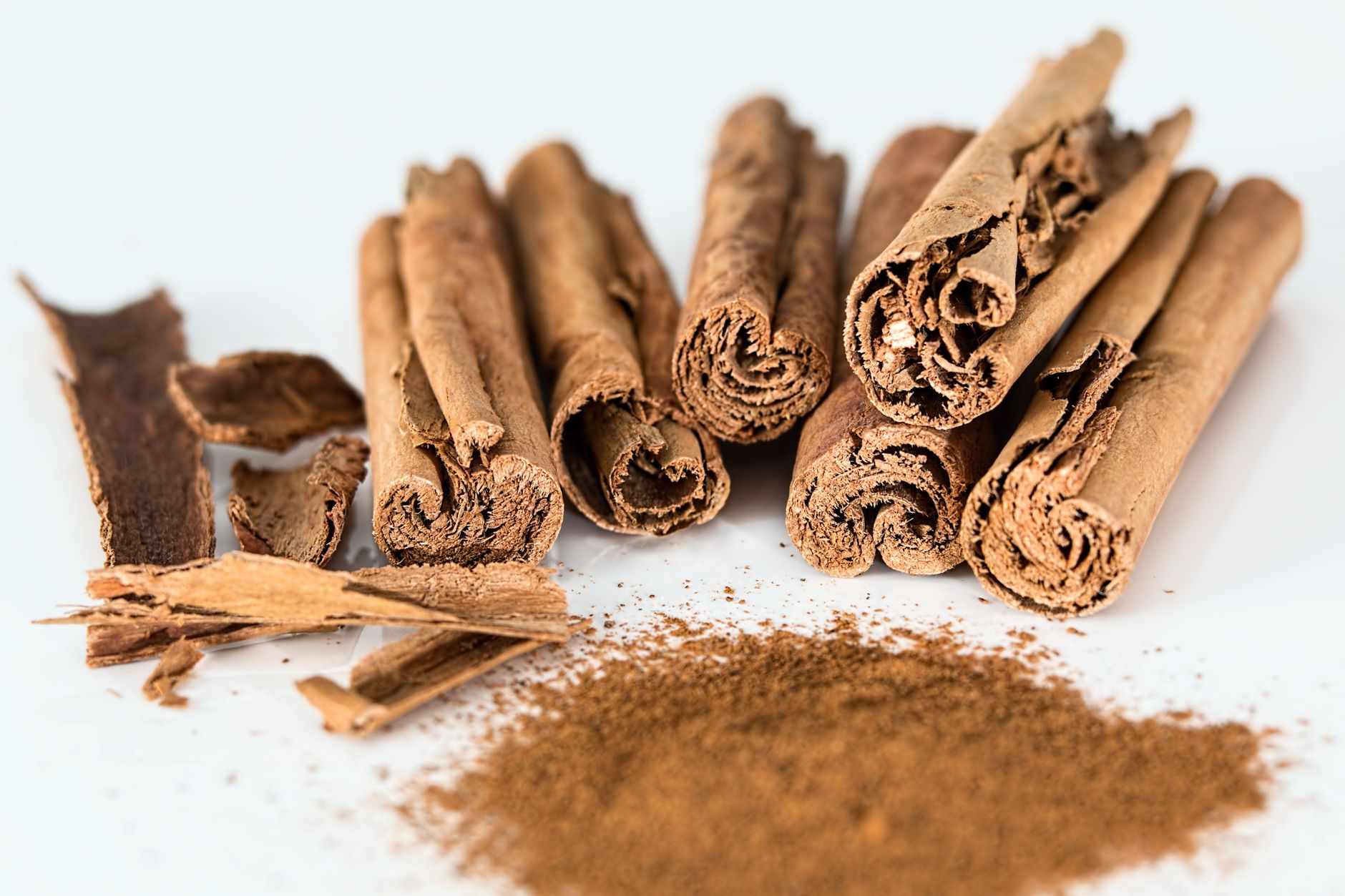
Photo by Pixabay on Pexels.com
Cinnamon
A spice often used in baked goods, with a warm, mellow flavor; cinnamon has a long-standing reputation in the natural health community. However, this history is now reinforced by modern day scientific research. In 2013, in Annals of Family Medicine, it was concluded that cinnamon is responsible for “statistically significant” decreases in fasting blood sugar, overall cholesterol, LDL cholesterol and triglycerides. And in 2012, an animal study published in Pharmacognosy Research, supports these findings. It is important to bare in mind that there is not just one kind of cinnamon, there are a few different varieties and they are not all created equal. The preferred variety for therapeutic purposes is Ceylon cinnamon. This is the variety which has been effective in scientific studies. It also needs to be noted that Cinnamomum aromaticum and Cassia cinnamon (the other kinds of cinnamon) are known to be high in coumarin—a blood-thinning substance. Ceylon cinnamon has much lower coumarin levels.
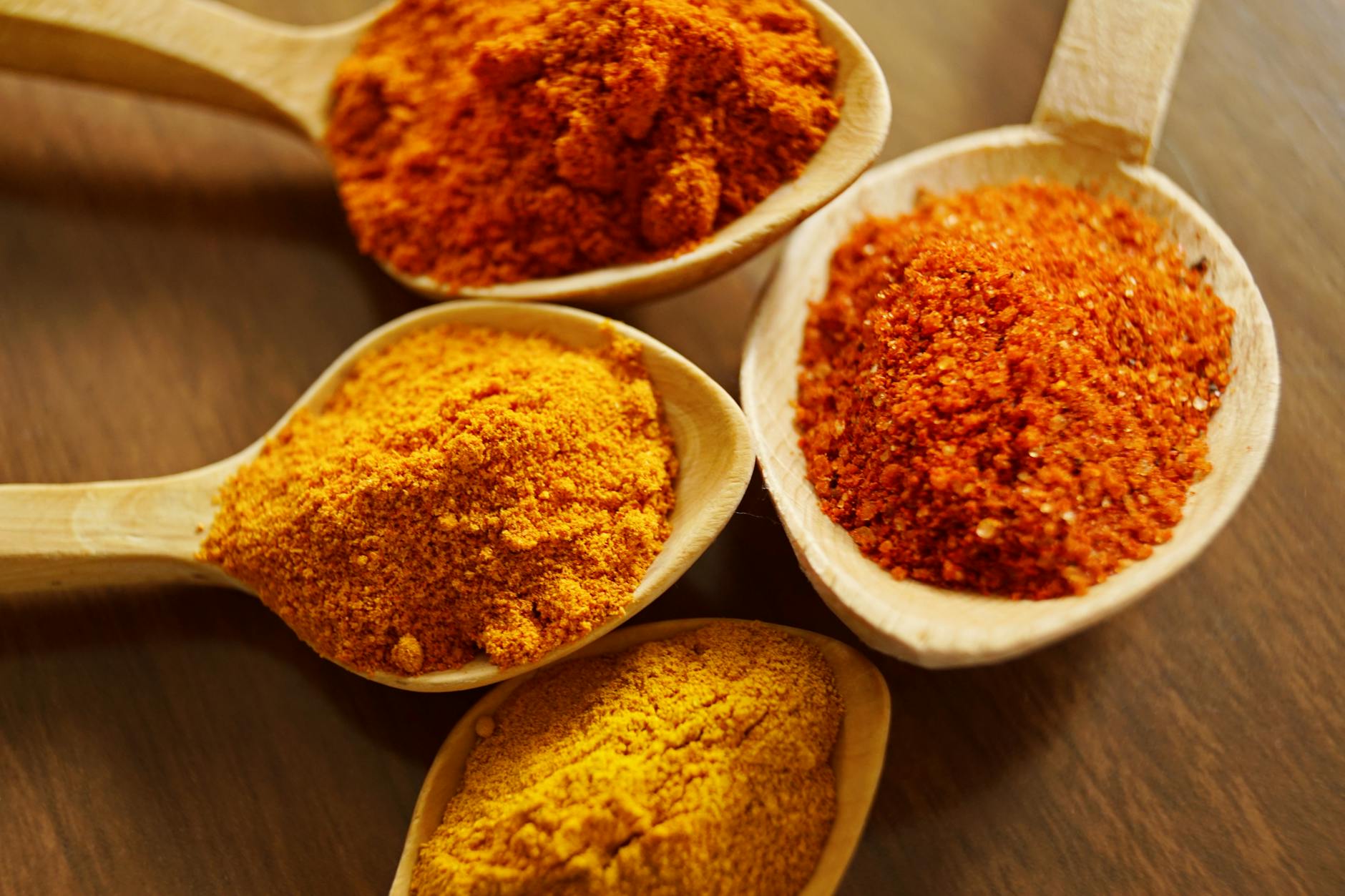
Photo by Marta Branco on Pexels.com
Turmeric
Belonging to the ginger family, this bright orange root has been used in both Ayurvedic and Chinese medicine—for hundreds and hundreds of years—and for good reason; turmeric is a spectacular herb for the body. The most crucial component of turmeric is curcumin—the substance which gives turmeric it’s signature orange hue. It has numerous benefits: it supports healthy digestion, eases pain, brightens the skin, improves liver function and on and on… With antiinflammatory and antioxidant properties, this root helps treat both types of diabetes, as well as preventing the onset of diabetes in the first place. Specifically, turmeric improves insulin function, reduces insulin resistance, protects beta cells (which are responsible for insulin production), improves any insulin-response pathways which have been disrupted, reduces the inflammatory signals which are typically overactive in diabetes (for example, IL-1, cytokines IL-6 and TNF) and treats many diabetic symptoms due to it’s anti-inflammatory effect. Curcumin can be difficult for the body to properly absorb, but the addition of black pepper remedies this. Just by using a small amount of black pepper you can enhance the bioavailability of this medicinal plant.
Trigonella foenum-graecum\rnames : fenugreek, klabet, kelabet
Fenugreek
Commonly known for it’s culinary uses, and featuring prominently in Middle Eastern and Indian cooking, fenugreek seeds have more to offer than their flavor. Beyond it’s culinary use, fenugreek is a wonderful medicinal plant—used in both Ayurvedic and traditional Chinese medicine. Because of the amino acid 4- hydroxyisoleucine, which is present within this plant, Fenugreek seeds improve the metabolic symptoms associated with both type 1 and 2 diabetes: reducing fasting blood glucose levels, slowing the absorption of carbohydrates, lowering cholesterol, and improving glucose tolerance. In fact, a study published in the European Journal of Clinical Nutrition found that type 1 diabetics were able to improve glucose tolerance, lower their fasting blood sugar levels and decrease urinary glucose output by 54% when using fenugreek seeds medicinally. In another study, performed on people with type II diabetes, including fenugreek seeds in a meal reduced the characteristic spike in blood glucose levels after eating. By taking the seeds regularly, this spice has been associated with decreased LDL cholesterol, an important step in the regulation and management of diabetes and heart disease.
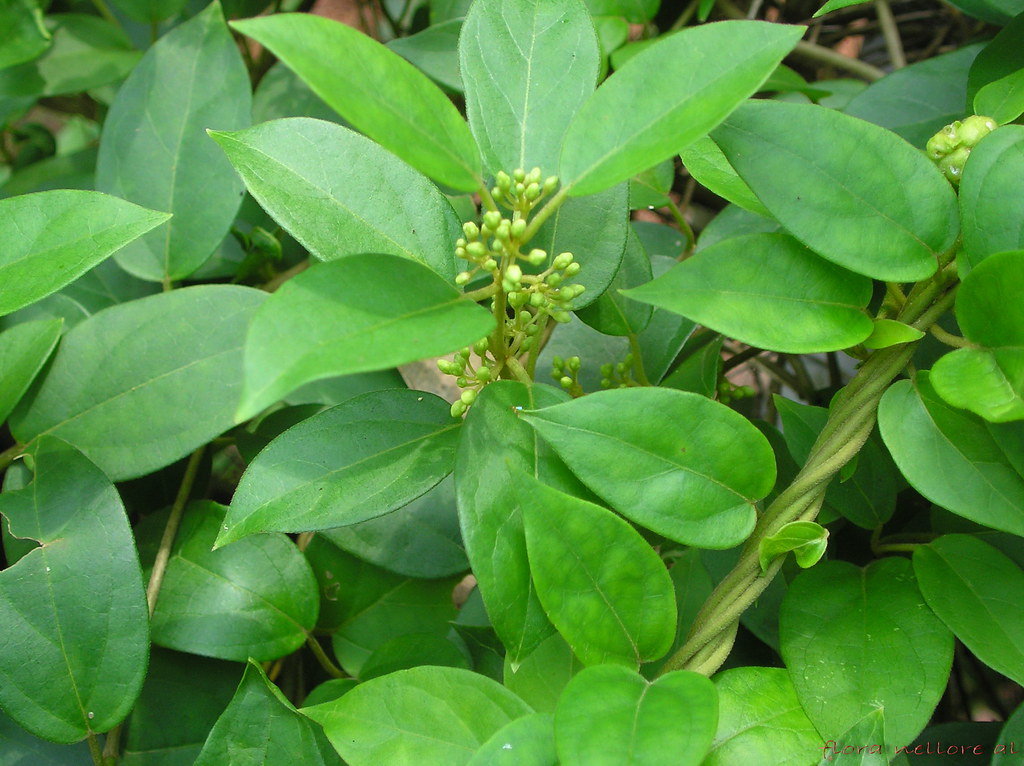
OLYMPUS DIGITAL CAMERA
Gymnema Sylvestre
Although not as commonly known as some of the other herbs in this list, gymnema sylvestre—also known as gurmar—is a crucial herb for lowering blood sugar levels and treating diabetes. A vine found in Sri Lanka and India, it’s Hindi name is translated as, “sugar destroyer.” A nickname which accurately describes it’s purpose and action in the body. Even chewing a fresh leaf from this plant disrupts our tastebuds’ ability to register anything sweet (which is attributed to the presence of gymnemic acids within the plant.) Gurmar lowers blood glucose by promoting the utilization of glucose at a cellular level. The phytoconstituents responsible for it’s sugar fighting/regulating properties are triterpene saponins such as gymnemasaponins and gymnemic acids, as well as the polypeptide gurmarin. It is capable of treating both type 1 and 2 diabetes and has even been known to rejuvenate pancreatic beta cells. The gymnemic acids found in this herb slow down the transportation of glucose from the intestines to the bloodstream. There really isn’t a thing this herb can’t do!
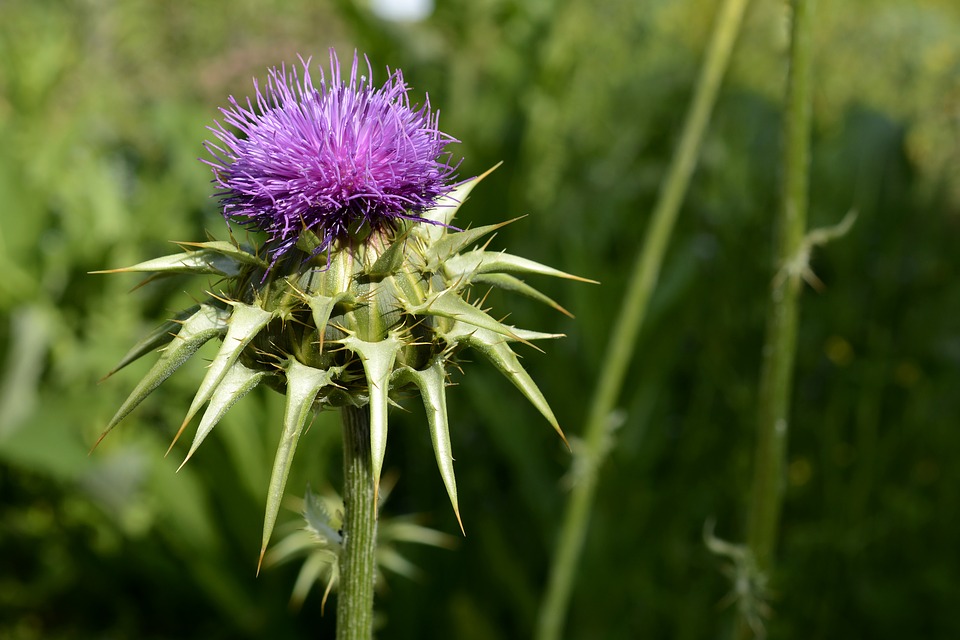
Milk Thistle
Milk thistle has been used predominantly to treat issues related to the liver and gallbladder, but it is actually a wonderful herbal remedy for a variety of ailments. It is a powerful detoxification aid and helps cleanse the system of unwanted, harmful substances, especially those collected in the liver. Although considered a weed, this plant has antioxidant properties which reduce inflammation and contains a substance called silymarin—a flavonoid complex composed of over 7 compounds. This compound is linked with the reduction of oxidative stress in the body, consequently reducing the damage and effect of diabetes. Studies have shown that oxidative stress can effect the pancreas which can worsen diabetes. Milk thistle helps address all these issues, supporting and strengthening the whole system and is regarded as an effective treatment for diabetes-caused hyperglycemia and insulin resistance. In recent studies, milk thistle has been found to contain a substance—specifically called PPARγ, a molecular target of thiazolidinediones—which lowers blood glucose levels in type 2 diabetics by acting as an insulin sensitizer. Another substance found in milk thistle, a compound called silibin, has been linked with reducing body weight and the associated visceral and subcutaneous fat. Since diabetes can interfere with ideal body weight management, producing excess body fat this action of milk thistle can be very helpful when looking to restore good health. A study performed on humans with diabetes and liver cirrhosis, found that 600mg of silymarin significantly reduced fasting blood glucose and mean daily glucose levels, as well as reducing the need for insulin by 20% .
You’ve discovered the herbs and spices which will support your body’s ability to lower your blood sugar, but I can’t wait to share the REAL solution to lowering your blood sugar for good. Herbs and spices can be a useful, supplementary tool, but they are only the tip ofthe iceberg. Your health will truly be transformed when you discover what my wife and I discovered; knowledge which has become a protocol capable of changing lives. This is where the true diabetes-reversing power lies.
Click Here for the full story or here for the PDF Download of this content.